

Can a Brushless AC Servo Drive be used in an elevator system?
As a supplier of brushless AC servo drives, I am often asked about the viability of using our products in elevator systems. Elevators are complex and safety - critical systems, and the choice of components is of utmost importance. In this blog, I will delve into the technical aspects, advantages, and potential challenges of using a brushless AC servo drive in an elevator system.
Technical Compatibility
Control Precision
One of the key requirements of an elevator system is precise control of speed and position. Brushless AC servo drives are known for their high - precision control capabilities. They use advanced control algorithms, such as vector control, to accurately regulate the motor's torque, speed, and position. This precision is crucial in an elevator system, as it ensures smooth and accurate floor - to - floor stops. For example, in high - rise buildings where passengers expect a seamless transition between floors, the ability of the servo drive to precisely control the elevator car's movement is essential.
Dynamic Response
Elevators need to be able to accelerate and decelerate quickly and smoothly. A Servo Drive With Dynamic Response can meet this requirement effectively. It can rapidly adjust the motor's output torque in response to changes in the load or speed setpoint. When an elevator starts moving, the servo drive can provide sufficient torque to accelerate the car quickly. Similarly, when approaching a floor, it can precisely control the deceleration to ensure a gentle stop.
Energy Efficiency
Energy efficiency is a major concern in modern elevator systems. Brushless AC servo drives are designed to operate with high efficiency. They can adjust the motor's power consumption according to the actual load requirements. For instance, when the elevator is moving with a light load, the servo drive can reduce the power supplied to the motor, thereby saving energy. A Servo Drive With High Efficiency can significantly reduce the overall energy consumption of an elevator over its lifetime, which not only helps building owners save on electricity costs but also aligns with environmental sustainability goals.
Advantages in Elevator Applications
Reliability
Elevators are in constant use, and any downtime can cause significant inconvenience to building occupants. Brushless AC servo drives have fewer mechanical components compared to traditional drives, which means there are fewer parts that can wear out or fail. This results in a more reliable system with lower maintenance requirements. For example, the absence of brushes in a brushless AC servo drive eliminates the problems associated with brush wear, such as sparking and mechanical noise, which can affect the drive's performance and lifespan.
Safety
Safety is the top priority in elevator systems. Brushless AC servo drives can be integrated with advanced safety features, such as over - speed protection, torque limiters, and emergency stop functions. These features provide an additional layer of safety to ensure the well - being of passengers. In case of an abnormal situation, the servo drive can quickly detect the problem and take appropriate action to stop the elevator safely.
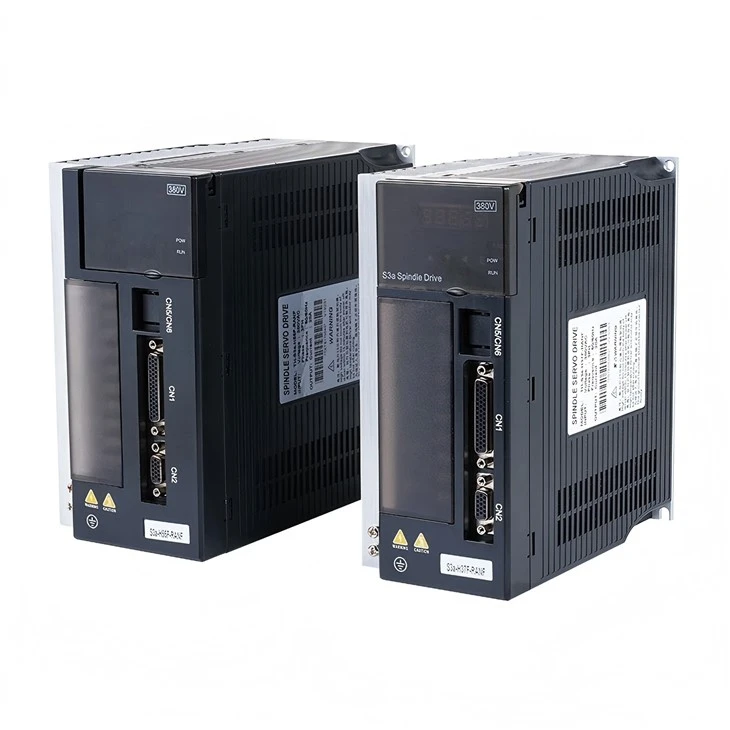

Space - Saving
In modern building designs, space is often a constraint. Brushless AC servo drives are typically more compact than traditional drive systems, which allows for more efficient use of space in the elevator machine room. This can be particularly beneficial in high - density urban areas where building developers are looking to maximize the usable floor space.
Potential Challenges
Cost
The initial cost of a brushless AC servo drive is generally higher than that of some traditional drive systems. However, it is important to consider the long - term benefits, such as energy savings and lower maintenance costs. Over the lifetime of an elevator system, the total cost of ownership of a brushless AC servo drive may be comparable or even lower than that of a traditional drive.
Complexity of Installation and Commissioning
Brushless AC servo drives are more complex in terms of installation and commissioning. They require skilled technicians who are familiar with the drive's programming and configuration. Incorrect installation or commissioning can lead to performance issues or even safety hazards. Therefore, it is essential to ensure that the installation and commissioning are carried out by qualified professionals.
Compatibility with Existing Systems
In some cases, integrating a brushless AC servo drive into an existing elevator system may pose challenges. The new drive needs to be compatible with the elevator's control system, motor, and other components. Retrofit projects may require additional modifications to the existing system to ensure proper operation.
High - Power Requirements in Elevators
Many large - scale elevators, especially those in high - rise buildings, require high - power drives to handle the heavy loads. Our High Power Servo Drive is specifically designed to meet these high - power requirements. It can provide the necessary torque and power to move the elevator car smoothly and efficiently, even in demanding applications.
Conclusion
In conclusion, a brushless AC servo drive can be an excellent choice for an elevator system. Its high - precision control, dynamic response, energy efficiency, reliability, and safety features make it well - suited for the unique requirements of elevator applications. Although there are some challenges, such as cost and installation complexity, the long - term benefits outweigh these drawbacks.
If you are considering using a brushless AC servo drive in your elevator system, I encourage you to contact us for a detailed discussion. Our team of experts can provide you with the technical support and guidance you need to make the right decision for your project. We are committed to providing high - quality products and excellent customer service. Let's work together to create a more efficient, reliable, and safe elevator system.
References
- "Elevator Technology Handbook", John Wiley & Sons
- "Servo Motor and Drive Systems: Fundamentals and Applications", CRC Press
- Industry white papers on elevator control systems and servo drive technology