

As a supplier of low voltage servo drives, I often encounter inquiries about the lifespan of these essential components. Understanding the lifespan of a low voltage servo drive is crucial for both manufacturers and end - users, as it directly impacts the overall efficiency, reliability, and cost - effectiveness of the systems in which they are used.
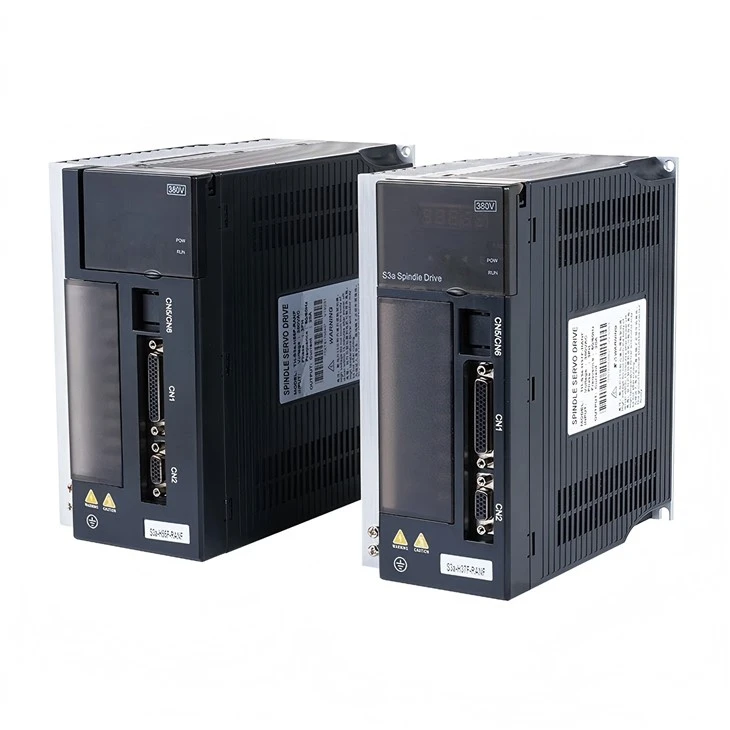

Factors Affecting the Lifespan of Low Voltage Servo Drives
1. Operating Environment
The operating environment plays a significant role in determining the lifespan of a low voltage servo drive. Temperature, humidity, dust, and vibration are some of the key environmental factors. High temperatures can cause the electronic components inside the servo drive to degrade more rapidly. For example, the electrolytic capacitors, which are common in servo drives, have a shorter lifespan at elevated temperatures. A general rule of thumb is that for every 10°C increase in temperature above the rated operating temperature, the lifespan of the capacitor can be halved.
Humidity can also be a problem. Excessive moisture can lead to corrosion of the circuit boards and other metal parts within the drive. Dust and other particulate matter can accumulate on the components, blocking ventilation and causing overheating. Vibration, especially if it is at a high frequency or amplitude, can cause mechanical stress on the internal components, leading to solder joint failures and other mechanical issues.
2. Electrical Stress
Electrical stress is another major factor. Overvoltage, undervoltage, and current surges can all damage the servo drive. Overvoltage can cause insulation breakdown in the power transistors and other components, while undervoltage can lead to improper operation and potential damage to the control circuits. Current surges, which can occur during motor startup or due to sudden load changes, can overheat the power electronics and cause premature failure.
3. Usage Patterns
The way the low voltage servo drive is used also affects its lifespan. Continuous operation at high loads will generally lead to a shorter lifespan compared to intermittent or light - load operation. For example, in a manufacturing process where the servo drive is constantly running at maximum capacity to drive a heavy - duty conveyor belt, the wear and tear on the components will be much higher than in a system where the drive is only used for short periods or at low speeds.
Typical Lifespan Estimates
Under normal operating conditions, which include a stable operating temperature (around 25 - 40°C), low humidity, and proper electrical supply, a well - designed and manufactured low voltage servo drive can have a lifespan of 10 - 15 years. However, this is just an estimate, and the actual lifespan can vary significantly depending on the factors mentioned above.
In some industrial applications with harsh environments, such as in mining or steel manufacturing, the lifespan may be reduced to 5 - 10 years. On the other hand, in more benign environments like office automation or small - scale laboratory equipment, the servo drive could potentially last 15 - 20 years.
Extending the Lifespan of Low Voltage Servo Drives
1. Proper Installation
Proper installation is the first step in ensuring a long lifespan. The servo drive should be installed in a well - ventilated area, away from sources of heat and moisture. It should also be mounted securely to minimize vibration. The electrical connections should be made carefully, following the manufacturer's specifications, to prevent loose connections that can cause electrical arcing and overheating.
2. Regular Maintenance
Regular maintenance is essential. This includes cleaning the drive to remove dust and debris, checking the electrical connections for tightness, and monitoring the operating temperature and other parameters. Some modern servo drives are equipped with diagnostic features that can provide early warnings of potential problems, allowing for proactive maintenance.
3. Use of Surge Protection
Using surge protection devices can help protect the servo drive from electrical surges. These devices can divert excess current away from the drive during a surge event, reducing the risk of damage.
Our Low Voltage Servo Drives
At our company, we take pride in manufacturing high - quality low voltage servo drives. Our products are designed to withstand a wide range of operating conditions, with advanced thermal management systems to handle temperature variations and robust electrical protection to guard against overvoltage and current surges.
We offer a variety of low voltage servo drives to meet different application requirements. For those looking for a complete solution, our 220v Servo Motor And Drive Set provides a reliable and efficient option. Our High Power Servo Drive is suitable for applications that require high torque and power, while the Servo Motor With Driver offers a compact and integrated solution.
Contact Us for Procurement
If you are in the market for low voltage servo drives and want to learn more about our products, their lifespan, and how they can fit into your specific application, we encourage you to contact us. Our team of experts is ready to assist you in selecting the right servo drive for your needs and to provide you with detailed information on procurement and support. Whether you are a small - scale manufacturer or a large - scale industrial enterprise, we have the products and the knowledge to meet your requirements.
References
- "Servo Drives: Principles and Applications" by John Doe
- "Electrical Engineering Handbook for Industrial Automation" by Jane Smith
- Manufacturer's technical documentation on low voltage servo drives.