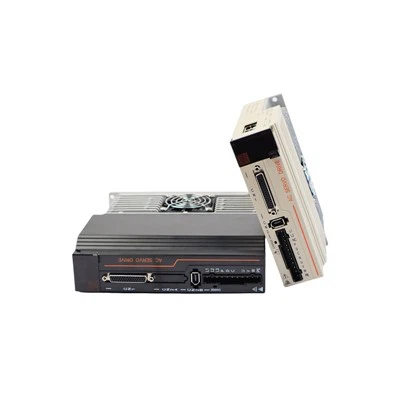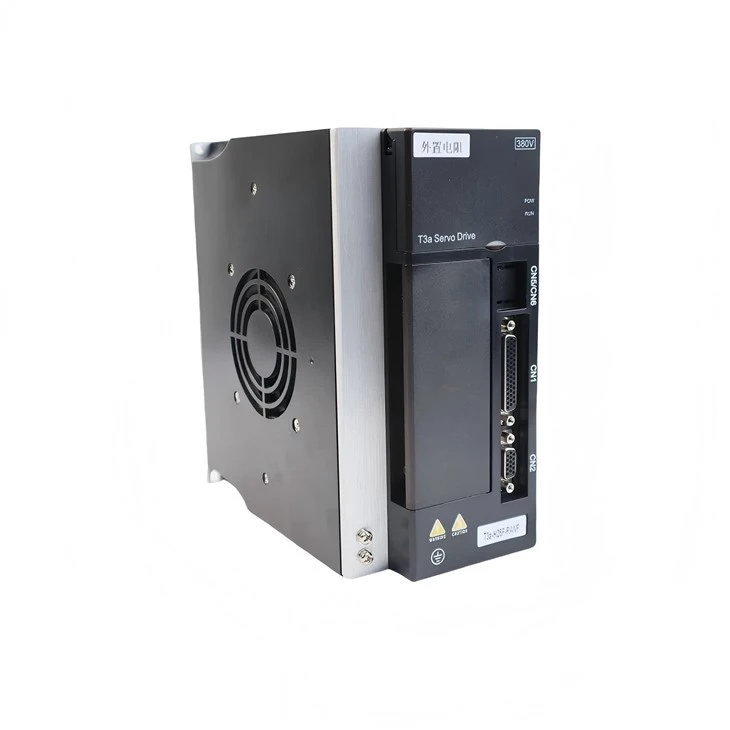
Injection Molding Machine Servo Drive Specifications
| Parameter | Specification |
|---|---|
| Product Type | AC Servo Drive |
| Input Voltage | 220V / 380V AC, depending on model |
| Power Range | 0.2 kW–15 kW, according to the listed servo controller product information |
| Control Modes | Position Control / Speed Control / Torque Control |
| Communication Interfaces | Modbus / CANopen / EtherCAT, depending on series |
| Feedback Options | Encoder / Resolver / Absolute Encoder, depending on model |
| Compatible Motor | Compatible AC Servo Motor |
| Application | Injection Molding Machines and Industrial Automation |
| Protection Functions | Confirm according to the selected drive model |
| Installation Requirements | Refer to the model-specific datasheet |
Motion Control Applications
The Injection Molding Machine Servo Drive supports motion control applications that require coordinated motor operation throughout the injection molding cycle. Depending on the machine design, the servo system may be used for injection, screw rotation during plasticizing, mold clamping, and other auxiliary movements. Each operation has different torque, speed, and response requirements, making drive selection an important part of overall machine configuration.
During injection, the drive and motor combination should meet the required acceleration, speed response, and load demands. Plasticizing operations require suitable speed regulation and torque performance as material conditions change, while clamping mechanisms may involve different movement profiles and mechanical loads. The control system must coordinate these functions according to the machine's operating sequence and process settings.
When selecting a drive, equipment manufacturers should consider motor ratings, load characteristics, motion profiles, controller compatibility, and the communication interface required by the machine. For multi-axis equipment, synchronization requirements and the control architecture should also be reviewed. Matching these factors to the capabilities of the selected drive series helps establish a suitable motion control configuration for new machines, system integration projects, and existing equipment upgrades.

Servo Motor Matching
Choosing a compatible servo drive and motor is an important step in building a reliable motion control system. The drive must meet the motor's electrical requirements and support the necessary feedback and control interfaces. Evaluating these factors before installation can help simplify system integration and reduce compatibility issues during commissioning.

Motor Selection Factors
Rated Power and Current: Compare the motor's rated power, voltage, and current with the drive's specifications.
Torque and Speed: Evaluate continuous torque, peak torque demand, operating speed, and acceleration requirements.
Encoder Compatibility: Confirm that the drive supports the feedback device used by the selected motor.
Controller Interface: Check the required command signals and supported communication protocol.
System Integration
Before installation, confirm the machine controller model, wiring requirements, signal connections, communication settings, and available cabinet space. For equipment with multiple controlled axes, also consider synchronization requirements and the relationship between each axis and the machine's operating sequence.
For replacement projects, compare the existing drive and motor specifications with the proposed configuration. Differences in feedback devices, connectors, control signals, or communication protocols may require additional engineering work. Reviewing these details before purchasing helps establish a more practical integration plan.
Why Choose TH Servo Drive?
TH Servo Drive provides AC servo drives and servo motors for industrial motion control applications. Its product portfolio includes different drive series with varying power ratings, control configurations, and communication options. These product options allow equipment manufacturers and system integrators to evaluate configurations according to motor requirements and control system architecture.
Different Drive Configurations
Different machine designs require different electrical ratings, control functions, and communication interfaces. Reviewing the available product series helps narrow the selection according to the motor's requirements and the machine's control architecture. Exact functions and ratings should be verified against the selected model's technical documentation.
Application-Based Selection
For injection molding applications, drive selection should consider the complete servo system rather than the drive alone. Motor compatibility, mechanical load, controller integration, and operating conditions all contribute to the suitability of the final configuration.
Technical Information for Project Evaluation
Providing accurate application details helps the technical team review potential product options. Motor nameplate information, controller details, electrical requirements, and the intended operating function are useful starting points when evaluating a new installation or an existing equipment upgrade.
FAQ
How do I select a suitable servo drive?
Start by checking the motor's rated voltage, power, and current. Then evaluate torque and speed requirements, feedback compatibility, controller interface, and operating conditions. Confirm the final selection against the specifications of the intended drive model.
Can one servo drive control every function of an injection molding machine?
Not necessarily. The required number of drives and their configuration depend on the machine's mechanical design and control architecture. Each controlled axis should be evaluated according to its motor and motion requirements.
Which communication interface should I choose?
Choose an interface supported by both the drive and the machine controller. Available options vary by product series and model, so confirm protocol compatibility in the relevant technical documentation.
What information is required for a quotation?
Provide the motor model or nameplate, required power supply, machine controller details, communication requirements, intended application, and order quantity. These details help the supplier review compatibility and identify suitable product options.
Hot Tags: injection molding machine servo drive, China injection molding machine servo drive manufacturers, suppliers, factory, AC Servo Amplifier, AC Servo Drives, Servo Drives Motor Solutions, Servo Motors Drives, Servo Systems and Solutions, small servo motors and drives