

As a supplier of general servo drives, I often encounter inquiries from customers in the printing industry about whether our general servo drives can be used in their printing machines. This question is not only relevant but also crucial for the efficiency and quality of printing operations. In this blog, we'll explore the feasibility of using a general servo drive in a printing machine, considering various aspects such as performance requirements, compatibility, and cost - effectiveness.
Understanding General Servo Drives
Before delving into their application in printing machines, let's first understand what general servo drives are. A general servo drive is a device that controls the movement of a servo motor. It takes input commands from a controller and adjusts the voltage, current, and frequency supplied to the motor to achieve precise control of the motor's speed, position, and torque [1].
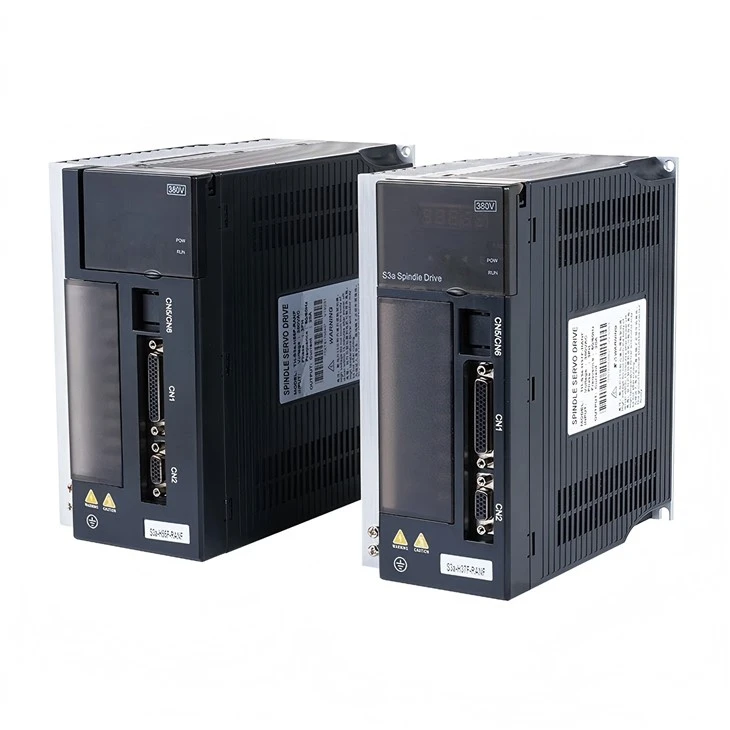
There is a wide range of general servo drives available in the market, each with different specifications and capabilities. For instance, the Motion Control Servo Drive is designed to provide high - precision motion control, which is essential for many industrial applications. The Servo Drive Controller acts as the brain of the system, sending commands to the servo drive to ensure accurate motor operation. And the High Power Servo Drive is suitable for applications that require a large amount of power.
Requirements of Printing Machines
Printing machines have specific requirements when it comes to motion control. These requirements are mainly driven by the need for high - quality printing, high productivity, and flexibility in printing different types of materials and designs.
Precision
One of the most critical requirements of a printing machine is precision. Whether it's offset printing, digital printing, or flexographic printing, accurate control of the printing head movement, paper feeding, and roller rotation is essential. Even a small deviation in position or speed can result in misaligned prints, color registration errors, or uneven ink distribution, leading to a significant reduction in print quality [2].
Speed
Printing machines need to operate at high speeds to meet production demands. High - speed printing requires the servo drive to be able to quickly accelerate and decelerate the motor without sacrificing precision. The servo drive should also be able to maintain a stable speed during continuous operation to ensure consistent print quality.
Torque
In a printing machine, different components such as rollers and conveyors require a certain amount of torque to operate smoothly. For example, when feeding thick or heavy - duty paper, the paper feed mechanism needs sufficient torque to pull the paper through the machine. The servo drive must be able to provide the necessary torque at all times, especially during start - up and when there are sudden changes in load.
Compatibility
Printing machines often use a variety of control systems and communication protocols. The servo drive needs to be compatible with these systems to ensure seamless integration. Compatibility issues can lead to communication errors, system instability, and reduced performance.
Feasibility of Using General Servo Drives in Printing Machines
Advantages of Using General Servo Drives
- Cost - effectiveness: General servo drives are usually more cost - effective than specialized servo drives designed specifically for printing machines. For small and medium - sized printing businesses, using a general servo drive can significantly reduce the initial investment cost without sacrificing too much in terms of performance.
- Versatility: General servo drives can be used in a wide range of applications, not just in printing machines. This means that if a printing business decides to expand its operations or diversify into other industries in the future, the same servo drives can potentially be used in other equipment, providing more flexibility.
- Availability of Support: Since general servo drives are widely used, there is a large pool of technical support and resources available. This can be beneficial for printing machine operators who may need help with installation, troubleshooting, or maintenance.
Limitations
- Lack of Specialization: While general servo drives can meet many of the basic requirements of a printing machine, they may not be optimized for the specific needs of the printing industry. For example, they may not have the advanced algorithms or features required for high - precision color registration or for handling the unique load characteristics of a printing machine.
- Compatibility Challenges: As mentioned earlier, printing machines use various control systems and communication protocols. General servo drives may not be fully compatible with all of these systems, which can lead to integration issues.
Overcoming Limitations
To overcome the limitations of using general servo drives in printing machines, several strategies can be employed.
- Customization: Some general servo drive suppliers offer customization services. By working closely with the supplier, printing machine manufacturers can customize the servo drive to meet the specific requirements of their machines. This may include adjusting the control algorithms, adding specific communication interfaces, or optimizing the torque and speed characteristics.
- System Integration: Proper system integration is crucial for ensuring the compatibility and performance of the servo drive in a printing machine. This involves working with experienced system integrators who can design and implement a control system that seamlessly integrates the servo drive with other components of the printing machine.
Case Studies
Let's look at some real - world examples of using general servo drives in printing machines.
Case Study 1: A Small - Scale Printing Shop
A small - scale printing shop was looking to upgrade its printing machine to improve print quality and productivity. Instead of investing in a specialized servo drive, they decided to use a general Motion Control Servo Drive. After some customization and system integration, the printing machine showed significant improvement in print quality. The precise motion control provided by the servo drive reduced color registration errors, and the high - speed operation increased the overall productivity of the shop.
Case Study 2: A Large - Scale Printing Manufacturer
A large - scale printing manufacturer was facing compatibility issues with their existing servo drives. They decided to switch to a general Servo Drive Controller that was more compatible with their control system. After the replacement, the communication between the servo drive and the control system became more stable, resulting in fewer system errors and improved overall performance.
Conclusion
In conclusion, a general servo drive can be used in a printing machine, but it comes with both advantages and limitations. The cost - effectiveness and versatility of general servo drives make them an attractive option for many printing businesses, especially small and medium - sized ones. However, the lack of specialization and potential compatibility challenges need to be carefully considered.
By working with a reliable servo drive supplier and employing strategies such as customization and proper system integration, the limitations can be overcome, and the general servo drive can provide a viable solution for printing machine applications.

If you are in the printing industry and are considering using a general servo drive for your printing machine, I encourage you to contact us for more information. We have a team of experts who can help you select the right servo drive for your specific needs and provide support throughout the installation and operation process. Let's work together to improve the performance and efficiency of your printing machines.
References
[1] Johnson, R. (2018). Servo Drives: Principles and Applications. Industrial Press.
[2] Smith, A. (2020). Printing Machine Technology: Precision and Performance. Printing Industry Journal.