

Alright, folks! As a supplier of Servo Control Drives, I know how crucial it is to ensure the safety of operators using these nifty devices. In this blog, I'm gonna share some tips and tricks on how to keep everyone out of harm's way when dealing with servo control drives.
Understanding the Basics of Servo Control Drives
First things first, let's quickly go over what a servo control drive is. A servo control drive is an electronic device that controls a servo motor. It takes input signals and uses them to adjust the speed, torque, and position of the motor. These drives are used in a wide range of applications, from industrial machinery to robotics.
We offer different types of servo control drives, like the 3 Phase Servo Motor Driver, 2KW Servo Drive, and High Power Servo Drive. Each type has its own features and uses, but safety is a top priority for all of them.
Proper Installation and Setup
One of the most important steps in ensuring operator safety is proper installation and setup. If the servo control drive isn't installed correctly, it can lead to all sorts of problems, including malfunctions and even electrical hazards.
- Read the Manual: This might seem like a no - brainer, but you'd be surprised how many people skip this step. The manufacturer's manual contains important information about installation, wiring, and setup. Make sure your operators read it thoroughly before attempting to install the drive.
- Wiring and Grounding: Incorrect wiring can cause short circuits and electrical shocks. Always follow the wiring diagrams provided in the manual. Proper grounding is also essential to prevent electrical charges from building up. Use the right size and type of wires, and make sure all connections are secure.
- Environmental Factors: Consider the environment where the drive will be installed. It should be in a well - ventilated area to prevent overheating. Avoid areas with high levels of dust, moisture, or corrosive substances, as these can damage the drive.
Operator Training
No matter how well the drive is installed, if the operators don't know how to use it safely, there's a risk of accidents. That's why comprehensive operator training is so important.
- Basic Operation: Train operators on the basic functions of the servo control drive, such as starting, stopping, and adjusting settings. They should also know how to read the display and interpret the information it provides.
- Emergency Procedures: Teach operators what to do in case of an emergency. This includes how to quickly shut down the drive, how to identify and report problems, and how to use any emergency stop buttons or switches.
- Safety Features: Make sure operators understand the safety features of the drive. For example, some drives have built - in overload protection or short - circuit protection. Knowing how these features work can prevent serious accidents.
Regular Maintenance and Inspections
Just like any other piece of equipment, servo control drives need regular maintenance and inspections to keep them in good working order and to ensure operator safety.
- Scheduled Maintenance: Develop a maintenance schedule for the drive. This might include tasks like cleaning the drive, checking the wiring for damage, and lubricating any moving parts. Regular maintenance can help prevent breakdowns and extend the lifespan of the drive.
- Inspections: Conduct regular inspections to check for any signs of wear and tear, loose connections, or other issues. Inspect the drive's housing for any cracks or damage that could expose operators to electrical hazards. If any problems are found, they should be repaired immediately.
- Component Replacement: Over time, some components of the servo control drive may need to be replaced. Make sure you have a stock of replacement parts on hand and that operators know how to replace them safely.
Using Personal Protective Equipment (PPE)
Personal protective equipment can go a long way in protecting operators from potential hazards when using a servo control drive.
- Safety Glasses: Safety glasses should be worn to protect the eyes from flying debris, especially during installation or maintenance when there might be some disassembly involved.
- Gloves: Insulated gloves can protect operators from electrical shocks when working on the drive. Make sure the gloves are rated for the appropriate voltage.
- Hearing Protection: In some applications, the servo motor and drive can generate a significant amount of noise. Operators should wear hearing protection to prevent hearing damage.
Risk Assessment
Before using a servo control drive, it's important to conduct a risk assessment. This involves identifying potential hazards and taking steps to minimize or eliminate them.
- Hazard Identification: Look for potential hazards such as electrical shock, mechanical injury from moving parts, or fire. Consider the operating environment, the type of application, and the way the drive is used.
- Risk Mitigation: Once the hazards have been identified, come up with strategies to reduce the risk. This might include installing additional safety devices, modifying the operating procedures, or providing more training to operators.
Monitoring and Feedback
Continuous monitoring of the servo control drive can help detect any issues before they become serious problems.
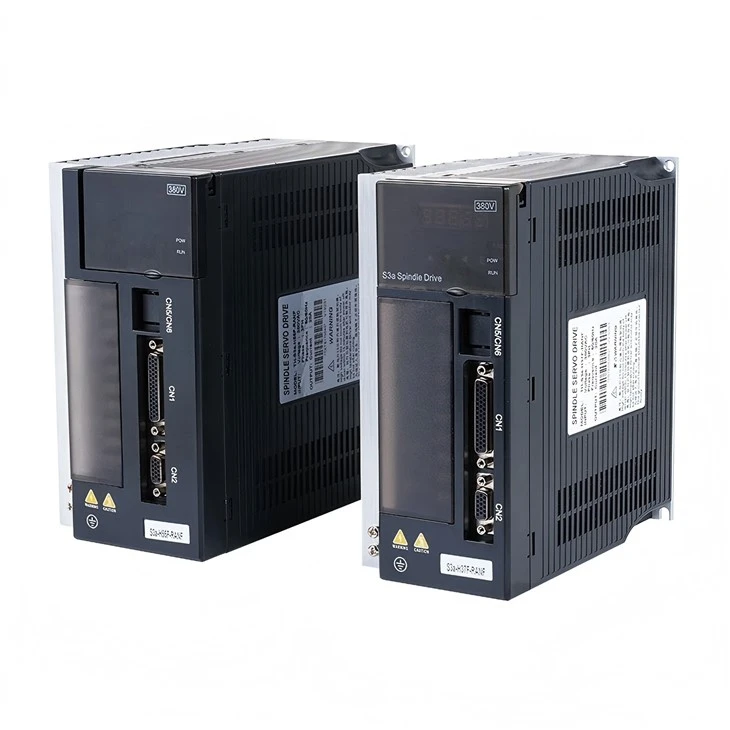

- Performance Monitoring: Use monitoring systems to keep track of the drive's performance, such as its temperature, speed, and torque. If there are any abnormal changes, it could indicate a problem that needs to be addressed.
- Operator Feedback: Encourage operators to provide feedback on the operation of the drive. They might notice something unusual or have suggestions for improving safety. Take their feedback seriously and make changes as needed.
Conclusion
Ensuring the safety of operators when using a servo control drive is a multi - faceted process that involves proper installation, operator training, regular maintenance, the use of PPE, risk assessment, and monitoring. By following these steps, you can minimize the risk of accidents and create a safer working environment.
If you're in the market for a high - quality servo control drive and want to discuss how to keep your operators safe while using it, we're here to help. We have a team of experts ready to answer your questions and provide you with the best solutions for your needs. So don't hesitate to reach out and start the procurement process.
References
- Servo Motor and Drive Handbook
- Industrial Safety Standards and Guidelines