

As a supplier of Digital Servo Drives, ensuring the safety of operators during their use is of paramount importance. Digital Servo Drives play a crucial role in various industrial applications, from manufacturing to robotics. However, if not used correctly, they can pose significant risks to operators. In this blog, I will share some key strategies and best practices to ensure the safety of operators when using Digital Servo Drives.
Understanding the Basics of Digital Servo Drives
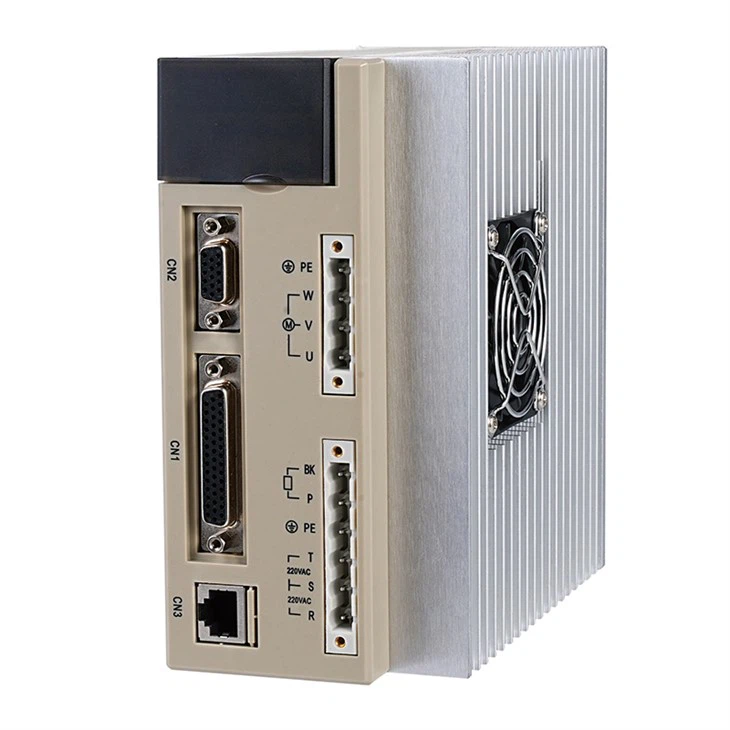
Before delving into safety measures, it is essential to have a basic understanding of Digital Servo Drives. These drives are electronic devices that control the movement of servo motors with high precision. They receive input signals from a controller and adjust the motor's speed, torque, and position accordingly. Digital Servo Drives offer several advantages, such as high efficiency, accurate control, and fast response times. However, they also operate at high voltages and currents, which can be dangerous if not handled properly.

Risk Assessment
The first step in ensuring operator safety is to conduct a thorough risk assessment. This involves identifying potential hazards associated with the use of Digital Servo Drives and evaluating the likelihood and severity of each hazard. Some common hazards include electrical shock, mechanical injury, and thermal burns. By understanding the risks, you can implement appropriate safety measures to mitigate them.
Training and Education
One of the most effective ways to ensure operator safety is to provide comprehensive training and education. Operators should be trained on the proper use, installation, and maintenance of Digital Servo Drives. They should also be educated on the potential hazards and safety procedures associated with these drives. Training should cover topics such as electrical safety, mechanical safety, and emergency response. By providing operators with the knowledge and skills they need, you can reduce the risk of accidents and injuries.
Personal Protective Equipment (PPE)
Personal Protective Equipment (PPE) is an essential part of operator safety. Operators should wear appropriate PPE, such as safety glasses, gloves, and protective clothing, when working with Digital Servo Drives. PPE can help protect operators from electrical shock, mechanical injury, and thermal burns. It is important to ensure that PPE is in good condition and is worn correctly at all times.
Safety Interlocks and Guards
Safety interlocks and guards are another important safety feature of Digital Servo Drives. These devices are designed to prevent operators from accessing hazardous areas of the drive or motor. Safety interlocks can be used to shut off the power to the drive if a guard is opened or if a safety switch is activated. Guards can be used to physically protect operators from moving parts of the drive or motor. By using safety interlocks and guards, you can reduce the risk of accidents and injuries.
Regular Maintenance and Inspection
Regular maintenance and inspection are essential for ensuring the safe operation of Digital Servo Drives. Drives should be inspected regularly for signs of wear and tear, damage, or malfunction. Any issues should be addressed immediately to prevent further damage or accidents. Maintenance tasks should include cleaning, lubrication, and calibration of the drive. By performing regular maintenance and inspection, you can extend the lifespan of the drive and reduce the risk of accidents and injuries.
Emergency Response Planning
Despite taking all necessary safety precautions, accidents can still happen. That's why it is important to have an emergency response plan in place. The plan should outline the steps to be taken in the event of an accident or emergency, such as electrical shock, fire, or mechanical injury. It should also include contact information for emergency services and first aid providers. By having an emergency response plan in place, you can minimize the impact of an accident and ensure the safety of operators.
Choosing the Right Digital Servo Drive
Choosing the right Digital Servo Drive is also important for ensuring operator safety. When selecting a drive, you should consider factors such as the application requirements, the operating environment, and the safety features of the drive. You should also choose a drive from a reputable manufacturer that has a proven track record of producing safe and reliable products. By choosing the right drive, you can reduce the risk of accidents and injuries.
Conclusion
Ensuring the safety of operators when using Digital Servo Drives is a critical responsibility for any supplier. By following the strategies and best practices outlined in this blog, you can reduce the risk of accidents and injuries and ensure the safe operation of your drives. Remember to conduct a thorough risk assessment, provide comprehensive training and education, use appropriate PPE, install safety interlocks and guards, perform regular maintenance and inspection, have an emergency response plan in place, and choose the right drive. If you have any questions or need further information about Digital Servo Drives or operator safety, please feel free to [initiate a conversation with our team for procurement - related discussions]. We are here to help you make the right choices for your application.
References
- "Electrical Safety in Industrial Environments." Occupational Safety and Health Administration (OSHA).
- "Machine Safety: General Requirements." International Organization for Standardization (ISO).
- "Servo Drives and Motors Handbook." Manufacturer's Manual.
If you're interested in exploring our range of Digital Servo Drives, you can check out our AC Servo Drive Solution, General Servo Drive, and Servo Drive For Automation. We're always ready to discuss your specific needs and provide you with the best solutions for your applications. Don't hesitate to reach out to us for procurement discussions.