

Integrating a servo drive system with a vision system can be a game-changer for many industries. As a supplier of servo drive systems, I've seen firsthand how this combination can boost efficiency, precision, and productivity. In this blog, I'll share some tips on how to make this integration happen smoothly.
Why Combine a Servo Drive System with a Vision System?
Before we dive into the integration process, let's talk about why you'd want to combine these two technologies in the first place. A servo drive system is great at controlling the movement of motors with high precision. It can adjust speed, torque, and position accurately, which is crucial for tasks like robotics, CNC machining, and automated assembly.
On the other hand, a vision system can "see" and analyze the environment. It can detect objects, measure dimensions, and identify defects. By integrating a vision system with a servo drive system, you can create a more intelligent and responsive automation system. For example, in a pick-and-place application, the vision system can locate the objects, and the servo drive system can move the robotic arm to pick them up with pinpoint accuracy.
Step 1: Understand Your Requirements
The first step in integrating a servo drive system with a vision system is to clearly define your requirements. What kind of tasks do you want the combined system to perform? What level of precision and speed do you need? Are there any specific environmental conditions that the system will operate in?
For instance, if you're working in a textile manufacturing plant, you might need a Servo Drive For Textile Machines that can handle high-speed movements and precise tension control. The vision system would then be used to inspect the fabric for defects or ensure proper alignment of patterns.
In a grinding machine application, a Servo Drive For Grinding Machines would be required to control the spindle speed and feed rate accurately. The vision system could be used to monitor the grinding process and detect any signs of wear or damage to the grinding wheel.
Step 2: Choose the Right Components
Once you've defined your requirements, it's time to choose the right components for your system. When selecting a servo drive system, consider factors such as power rating, torque capacity, and communication interfaces. You'll also need to choose a vision system that is compatible with your application. Look for features like high-resolution cameras, advanced image processing algorithms, and easy-to-use software.
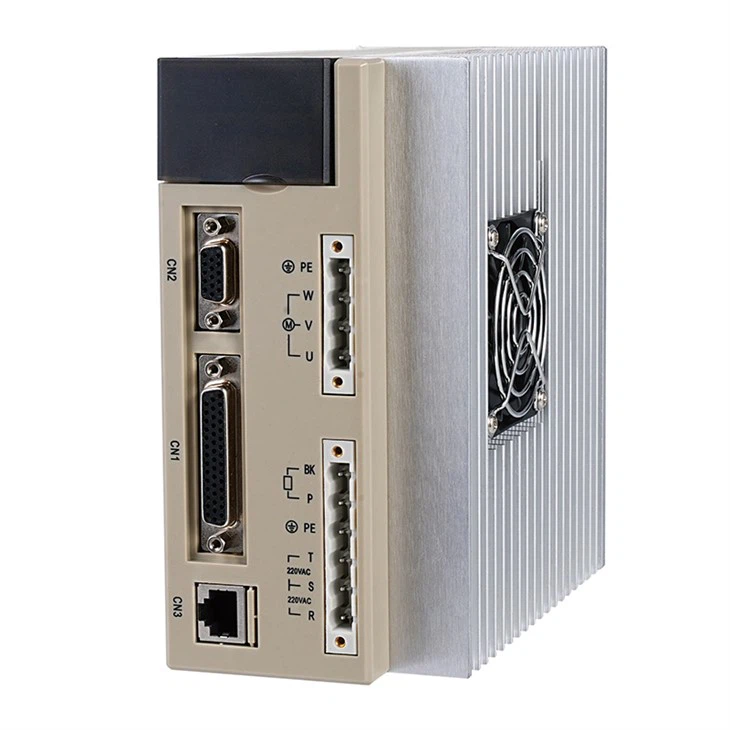
For example, if you need a servo drive system with digital input capabilities, you might want to consider a Digital Input Servo Drive. This type of drive can receive digital signals from the vision system, allowing for seamless integration and real-time control.
Step 3: Establish Communication
Communication between the servo drive system and the vision system is crucial for successful integration. There are several ways to establish communication, depending on the components you've chosen.
One common method is to use a communication protocol such as Ethernet/IP or Modbus TCP. These protocols allow the servo drive system and the vision system to exchange data over a network. Make sure that both components support the same communication protocol and that the network settings are configured correctly.
Another option is to use analog or digital I/O signals. For example, the vision system can send a digital signal to the servo drive system to indicate the position of an object, and the servo drive system can respond by moving the motor to the appropriate location.
Step 4: Calibrate and Test
After establishing communication, it's important to calibrate and test the combined system. Calibration ensures that the vision system and the servo drive system are working together accurately. You'll need to calibrate the vision system to ensure that it can accurately detect and measure objects, and you'll also need to calibrate the servo drive system to ensure that it can move the motors with the desired precision.
During the testing phase, run a series of tests to verify that the system is performing as expected. Check for any errors or inconsistencies in the movement of the motors or the accuracy of the vision system. Make any necessary adjustments to the calibration or the system settings until you're satisfied with the performance.
Step 5: Implement Safety Measures
Safety is always a top priority when working with automation systems. When integrating a servo drive system with a vision system, make sure to implement appropriate safety measures. This might include installing emergency stop buttons, safety curtains, or light guards to prevent accidents.
You'll also need to ensure that the system is properly grounded and that all electrical connections are secure. Follow all relevant safety standards and regulations to ensure the safety of your operators and the reliability of your system.
Step 6: Provide Training and Support
Once the system is up and running, it's important to provide training and support to your operators. Make sure they understand how to operate the combined system safely and effectively. Provide them with user manuals, training materials, and on-site training if necessary.
In addition, offer ongoing support to your customers. This might include troubleshooting assistance, software updates, and maintenance services. By providing excellent customer support, you can ensure that your customers are satisfied with their investment and that your system continues to perform at its best.
Conclusion
Integrating a servo drive system with a vision system can bring many benefits to your business. By following these steps, you can ensure a smooth and successful integration process. If you're interested in learning more about our servo drive systems or have any questions about integrating them with a vision system, don't hesitate to reach out. We're here to help you take your automation to the next level.

References
- Various industry standards and best practices for servo drive and vision system integration.
- Manufacturer's documentation for servo drive systems and vision systems.