

In the dynamic world of industrial automation, digital servo drives stand as pivotal components, powering a wide array of machinery with precision and efficiency. As a trusted supplier in this field, I've witnessed firsthand the diverse landscape of digital servo drive brands. Each brand brings its own set of characteristics, advantages, and limitations to the table. In this blog, I'll delve into the key differences between various brands of digital servo drives, shedding light on what sets them apart and how these differences can impact your industrial operations.
Performance and Precision
One of the most critical aspects when evaluating digital servo drives is their performance and precision. Different brands often vary significantly in terms of speed, torque control, and positioning accuracy. For instance, some high - end brands are engineered to deliver extremely high - speed operation, with rapid acceleration and deceleration capabilities. These drives are ideal for applications where quick and precise movements are required, such as in high - speed pick - and - place robots.
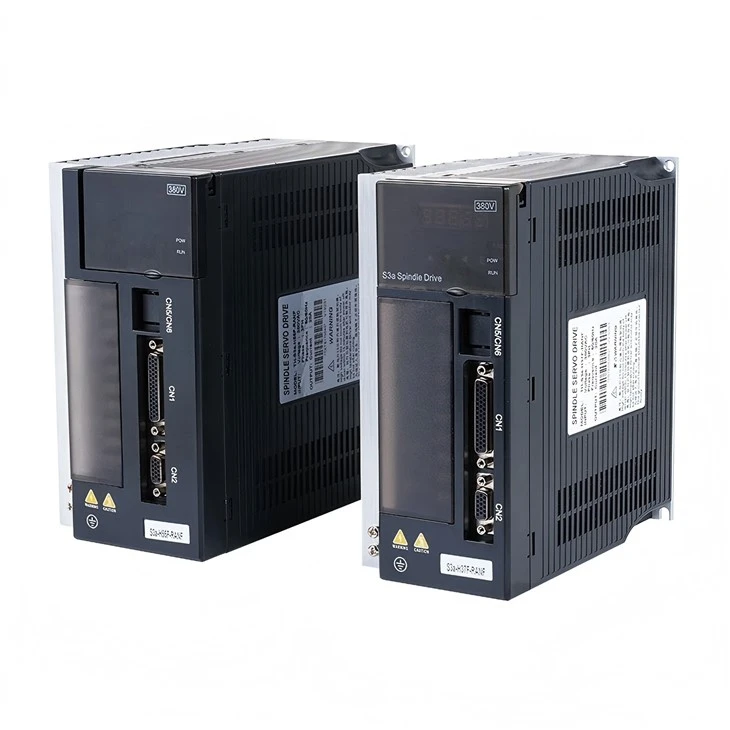

On the other hand, certain brands focus more on torque control. They can provide a stable and accurate torque output, which is crucial for applications like Servo Drive For Lathes. In a lathe, the servo drive needs to maintain a consistent torque to ensure smooth cutting and high - quality machining. Brands that excel in torque control often use advanced algorithms and high - resolution feedback systems to achieve this level of precision.
Positioning accuracy is another area where brands differ. Some drives can achieve positioning errors within a few micrometers, making them suitable for applications in the semiconductor and electronics industries, where even the slightest deviation can lead to product defects. Other brands may have a slightly lower level of accuracy but offer a more cost - effective solution for less demanding applications.
Compatibility and Integration
The ability of a digital servo drive to integrate seamlessly with other components in an industrial system is also a major differentiator between brands. Some brands offer a wide range of communication interfaces, such as Ethernet, CANopen, and Modbus. This flexibility allows them to be easily integrated into existing automation networks, whether they are based on PLCs (Programmable Logic Controllers) or other control systems.
For example, if you are using a PLC from a particular manufacturer, a servo drive brand that has pre - configured communication protocols with that PLC can save you a significant amount of time and effort in system setup. On the contrary, some brands may have limited communication options, which can pose challenges when trying to integrate them into complex industrial systems.
In addition to communication interfaces, compatibility with different types of motors is also important. Some servo drive brands are specifically designed to work with certain motor technologies, such as permanent - magnet synchronous motors (PMSMs) or brushless DC motors. If you have a specific motor in mind for your application, it's crucial to choose a servo drive brand that is fully compatible with it to ensure optimal performance.
Power and Efficiency
Power rating is a key factor that varies among different brands of digital servo drives. Brands offer a wide range of power options, from low - power drives suitable for small - scale applications like laboratory equipment to High Power Servo Drive designed for heavy - duty industrial machinery.
When it comes to power, efficiency is also a major consideration. High - efficiency servo drives can significantly reduce energy consumption, which not only lowers operating costs but also contributes to environmental sustainability. Some brands use advanced power electronics and control algorithms to minimize power losses during operation. For example, they may employ regenerative braking technology, which allows the drive to convert the energy generated during deceleration back into electrical energy and feed it back into the power supply.
Reliability and Durability
In an industrial environment, reliability and durability are of utmost importance. Different brands have different approaches to ensuring the long - term performance of their servo drives. Some brands invest heavily in research and development to use high - quality components and advanced manufacturing processes. These drives are often designed to withstand harsh environmental conditions, such as high temperatures, humidity, and vibration.
For example, in a manufacturing plant where there is a lot of dust and debris, a servo drive with a high - level of ingress protection (IP rating) can prevent the entry of contaminants and ensure reliable operation. Brands that offer a long warranty period are also an indication of their confidence in the reliability of their products.
Cost - Effectiveness
Cost is always a significant factor in any purchasing decision. Different brands of digital servo drives vary widely in terms of price. High - end brands with advanced features and superior performance often come with a higher price tag. However, it's important to consider the total cost of ownership rather than just the initial purchase price.
A more expensive servo drive may offer better performance, higher reliability, and lower energy consumption, which can result in long - term cost savings. On the other hand, a cheaper drive may seem like a good option in the short term, but it may require more frequent maintenance and replacement, leading to higher overall costs.
User - Friendliness and Support
The user - friendliness of a servo drive can also vary between brands. Some brands provide intuitive programming interfaces and user - friendly software tools that make it easy for operators and technicians to configure, commission, and troubleshoot the drive. These tools may include graphical user interfaces (GUIs) that allow users to visualize and adjust various parameters in real - time.
In addition to user - friendliness, the level of technical support offered by the brand is also crucial. Brands that have a global network of technical support teams can provide timely assistance in case of any issues. They may offer online resources, such as user manuals, application notes, and video tutorials, as well as on - site support for more complex problems.
Conclusion
In conclusion, the differences between different brands of digital servo drives are multifaceted, encompassing performance, compatibility, power, reliability, cost, and user - friendliness. As a supplier, I understand that choosing the right servo drive for your application is a critical decision that can have a significant impact on your industrial operations.
When selecting a digital servo drive, it's essential to carefully evaluate your specific requirements, such as the type of application, performance needs, environmental conditions, and budget. By considering all these factors and comparing the features and benefits of different brands, you can make an informed decision that meets your needs and maximizes the efficiency and productivity of your industrial system.
If you are in the process of evaluating digital servo drives for your project, I encourage you to reach out to me. As a trusted supplier, I have in - depth knowledge of the different brands and can provide you with expert advice and guidance. Whether you need a Servo Drive For Lathes, an Electric Servo Drive, or a High Power Servo Drive, I can help you find the perfect solution. Let's start a conversation about your specific requirements and explore how we can work together to achieve your industrial automation goals.
References
- "Servo Drives: Principles and Applications" by John Smith
- "Industrial Automation Handbook" by David Johnson
- Industry reports from leading market research firms on digital servo drives