

Hey there! As a supplier of low voltage servo drives, I've seen firsthand how important it is to keep these nifty devices in tip - top shape. Low voltage servo drives are used in a wide range of applications, from small robotics to automated guided vehicles (AGVs). In this blog, I'm gonna walk you through the maintenance requirements for a low voltage servo drive.
Regular Inspection
First off, regular inspection is key. You should visually check your low voltage servo drive at least once a month. Look for any signs of physical damage, like cracks in the casing or loose wires. A damaged casing can expose the internal components to dust, moisture, and other contaminants, which can lead to malfunctions. Loose wires can cause intermittent connections, resulting in inconsistent performance or even system failures.
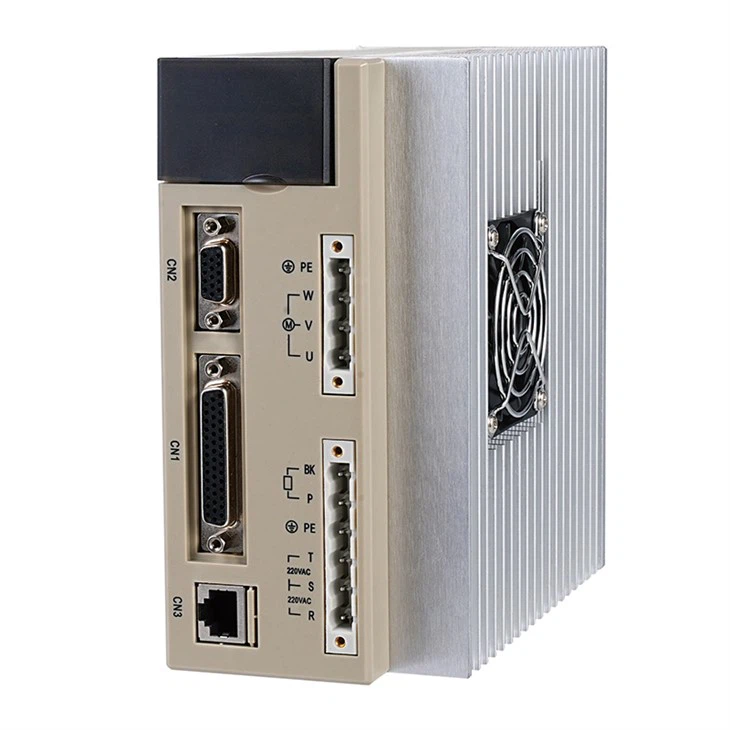
When you're inspecting, pay close attention to the connectors. Make sure they're clean and securely attached. Over time, connectors can accumulate dirt and debris, which can increase resistance and cause overheating. If you notice any corrosion on the connectors, you might need to clean them with a suitable electrical contact cleaner.
Cleaning
Cleaning is another crucial aspect of maintenance. Dust and dirt can build up on the surface of the servo drive and inside its vents. This can impede the airflow, causing the drive to overheat. To prevent this, use a soft, dry brush to gently remove any dust from the exterior of the drive. For the vents, you can use compressed air to blow out any debris. Just be careful not to use too much pressure, as it could damage the internal components.
It's also important to keep the area around the servo drive clean. Make sure there's no clutter or other objects blocking the airflow. A well - ventilated environment is essential for the proper functioning of the drive.
Temperature Monitoring
Low voltage servo drives are sensitive to temperature. Excessive heat can degrade the performance of the drive and shorten its lifespan. That's why it's important to monitor the temperature regularly. Most modern servo drives come with built - in temperature sensors that can provide real - time temperature readings.
If you notice that the temperature of the drive is consistently higher than normal, there could be an issue. It could be due to poor ventilation, overloading, or a malfunctioning cooling system. In such cases, you should investigate the cause and take appropriate action. For example, if it's a ventilation problem, you might need to clean the vents or improve the airflow in the area.

Firmware Updates
Just like your smartphone, servo drives need software updates too. Manufacturers often release firmware updates to improve the performance, add new features, and fix bugs. These updates can enhance the stability and reliability of the drive.
To check for firmware updates, you can visit the manufacturer's website. They usually provide detailed instructions on how to download and install the updates. Make sure to follow the instructions carefully to avoid any issues.
Electrical Checks
Electrical checks are necessary to ensure that the servo drive is receiving the correct power supply. Check the input voltage regularly to make sure it's within the specified range. Fluctuations in voltage can cause the drive to malfunction or even damage it.
You should also inspect the wiring for any signs of wear or damage. Look for frayed wires, loose connections, or signs of arcing. If you find any issues, replace the damaged wiring immediately.
Lubrication (if applicable)
Some servo drives have moving parts that require lubrication. For example, if the drive has a motor with bearings, these bearings need to be lubricated periodically. Check the manufacturer's specifications to find out the recommended lubricant and the lubrication schedule.
Using the wrong type of lubricant can cause problems. It could lead to increased friction, overheating, and premature wear of the components. So, make sure to follow the manufacturer's guidelines.
Training and Documentation
It's not just about doing the maintenance tasks; it's also about having the right knowledge. Make sure that the personnel responsible for the maintenance of the servo drive are properly trained. They should understand how the drive works, the maintenance procedures, and how to troubleshoot common issues.
Keep all the documentation related to the servo drive, such as the user manual, maintenance guides, and warranty information. This documentation can be very helpful when you need to perform maintenance or troubleshoot problems.
Why These Maintenance Tasks Matter
Performing these maintenance tasks is not just a hassle; it's an investment. A well - maintained low voltage servo drive will operate more efficiently, have fewer breakdowns, and last longer. This means less downtime for your operations and lower overall costs in the long run.
If you're using a Servo Control Drive, General Servo Drive, or a Servo Drive For AGVs, following these maintenance steps will ensure that your drive performs at its best.
Contact Us for More
As a supplier of low voltage servo drives, we're here to help you with all your maintenance needs. Whether you have questions about the maintenance procedures, need replacement parts, or are looking to upgrade your existing drive, we've got you covered.
If you're interested in purchasing a low voltage servo drive or have any inquiries about our products, don't hesitate to get in touch. We can provide you with detailed information about our products and help you choose the right drive for your application. Contact us today to start a procurement discussion and take your automation projects to the next level.
References
- "Servo Drive Handbook" - A comprehensive guide on servo drives and their maintenance.
- Manufacturer's documentation for low voltage servo drives.