

CANopen Servo Drives are integral components in modern industrial automation systems, offering precise control and high performance for a wide range of applications. As a supplier of CANopen Servo Drives, I understand the importance of optimizing their performance to meet the diverse needs of our customers. In this blog post, I will share some key strategies and best practices on how to optimize the performance of a CANopen Servo Drive.
Understanding CANopen Servo Drives
Before delving into optimization techniques, it's essential to have a basic understanding of CANopen Servo Drives. CANopen is a standard communication protocol based on the Controller Area Network (CAN) bus, which provides a reliable and efficient way to communicate between devices in a network. A CANopen Servo Drive is a device that uses the CANopen protocol to control a servo motor, enabling precise motion control in applications such as robotics, CNC machines, and packaging equipment.
CANopen Servo Drives offer several advantages, including high-speed communication, flexibility, and the ability to integrate multiple devices into a single network. However, to achieve optimal performance, it's crucial to configure and tune the drive correctly.
Proper Configuration
The first step in optimizing the performance of a CANopen Servo Drive is proper configuration. This involves setting up the drive parameters to match the specific requirements of the application. Here are some key parameters to consider:
Motor Parameters
- Rated Power and Torque: Ensure that the drive is rated to handle the power and torque requirements of the servo motor. Using an undersized drive can lead to overheating and reduced performance, while an oversized drive may be inefficient and costly.
- Motor Type and Encoder: Select the appropriate motor type (e.g., brushless DC, permanent magnet synchronous) and encoder resolution for the application. The encoder provides feedback on the motor's position and speed, which is essential for accurate control.
Control Mode
- Position, Velocity, or Torque Control: Choose the control mode that best suits the application. Position control is used for applications that require precise positioning, such as pick-and-place robots. Velocity control is ideal for applications that require constant speed, such as conveyor belts. Torque control is used for applications that require precise torque regulation, such as tension control in winding machines.
Communication Parameters
- CANopen Node ID: Assign a unique CANopen node ID to the drive to ensure proper communication within the network.
- Bit Rate: Set the CAN bus bit rate to match the capabilities of the network. A higher bit rate can provide faster communication but may also increase the risk of interference.
Tuning the Drive
Once the drive is properly configured, the next step is to tune it for optimal performance. Tuning involves adjusting the control parameters to achieve the desired response and stability. Here are some common tuning techniques:

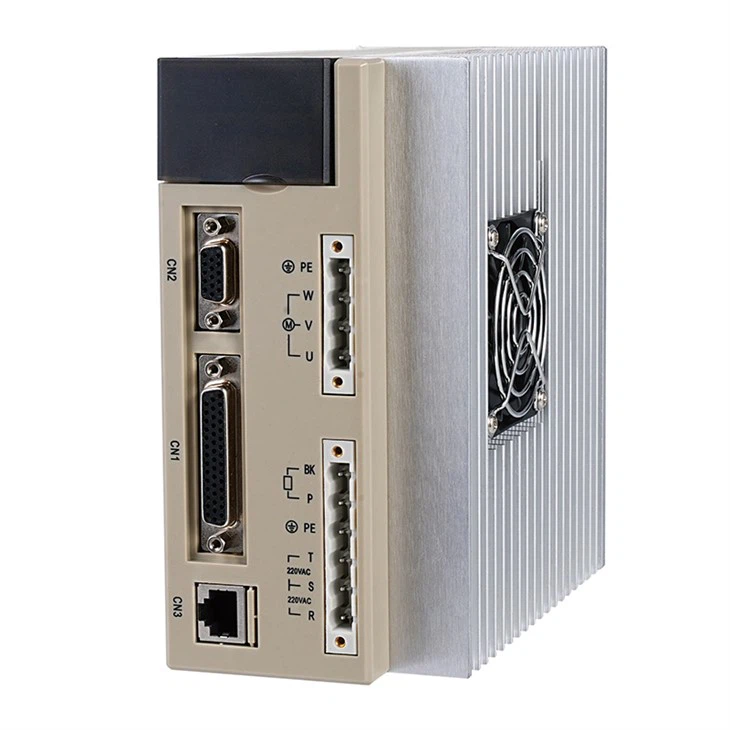
PID Tuning
- Proportional (P), Integral (I), and Derivative (D) Gains: The PID controller is a widely used control algorithm in servo drives. The P gain determines the proportional response to the error between the desired and actual values. The I gain eliminates steady-state errors over time, while the D gain provides damping to reduce oscillations.
- Auto-Tuning: Many modern CANopen Servo Drives offer auto-tuning functionality, which automatically adjusts the PID gains based on the motor's characteristics and the load. This can save time and ensure optimal performance.
Current Loop Tuning
- Current Limit and Bandwidth: Set the current limit to protect the motor and drive from overcurrent conditions. Adjust the current loop bandwidth to ensure fast and accurate current control. A higher bandwidth can provide better dynamic performance but may also increase the risk of instability.
Velocity and Position Loop Tuning
- Velocity and Position Gains: Adjust the velocity and position gains to achieve the desired response and stability. The velocity gain determines the response of the drive to changes in speed, while the position gain determines the response to changes in position.
System Integration
In addition to proper configuration and tuning, system integration is also crucial for optimizing the performance of a CANopen Servo Drive. This involves ensuring that the drive is integrated correctly with other components in the system, such as the servo motor, encoder, and CANopen network. Here are some key considerations:
Motor and Encoder Installation
- Proper Alignment: Ensure that the servo motor and encoder are properly aligned to minimize mechanical stress and improve accuracy.
- Cable Management: Use high-quality cables and proper cable management techniques to reduce electromagnetic interference (EMI) and ensure reliable communication.
CANopen Network Design
- Network Topology: Choose the appropriate network topology (e.g., linear, star, or tree) based on the number of devices and the distance between them. A well-designed network topology can reduce signal attenuation and improve communication reliability.
- Termination: Properly terminate the CAN bus to prevent signal reflections and ensure stable communication.
Maintenance and Monitoring
Regular maintenance and monitoring are essential for ensuring the long-term performance of a CANopen Servo Drive. Here are some best practices:
Visual Inspection
- Check for Physical Damage: Regularly inspect the drive for any signs of physical damage, such as cracks, loose connections, or overheating.
- Clean the Drive: Keep the drive clean and free of dust and debris to prevent overheating and improve reliability.
Performance Monitoring
- Use Diagnostic Tools: Many CANopen Servo Drives come with built-in diagnostic tools that can be used to monitor the drive's performance. These tools can provide information on parameters such as temperature, current, and speed, which can help detect potential issues before they become serious.
- Log Data: Log the drive's performance data over time to identify trends and patterns. This can help in predicting maintenance requirements and optimizing the drive's performance.
Conclusion
Optimizing the performance of a CANopen Servo Drive requires a combination of proper configuration, tuning, system integration, and maintenance. By following the strategies and best practices outlined in this blog post, you can ensure that your CANopen Servo Drive operates at its best, providing reliable and efficient performance for your industrial automation applications.
If you are interested in learning more about our Single Axis Servo Drive, General Servo Drive, or Servo Motors & Drives, or if you have any questions about optimizing the performance of your CANopen Servo Drive, please feel free to contact us for a detailed discussion and potential procurement.
References
- "CANopen for Industrial Automation" by CiA (CAN in Automation)
- "Servo Motor and Drive Handbook" by various industry experts